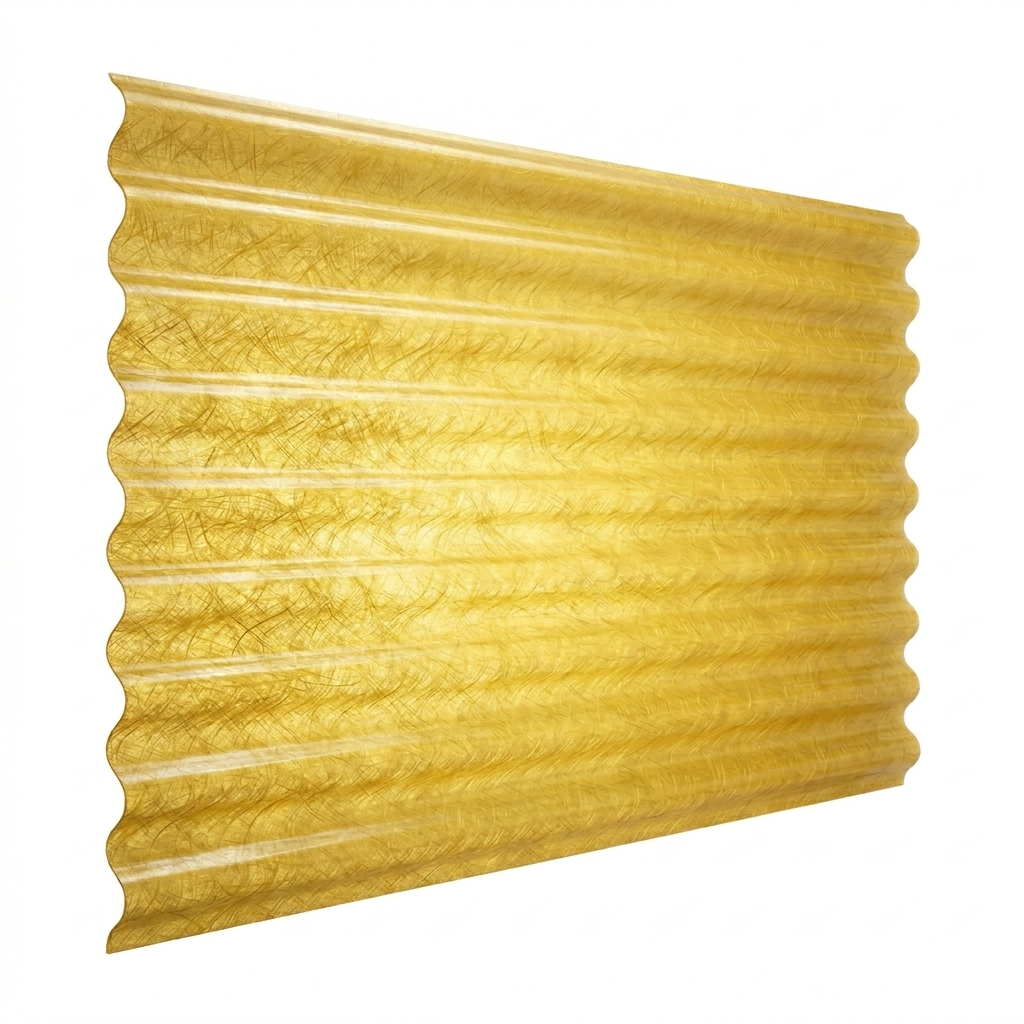
Yellow Fiberglass Corrugated Sheet Roofing: A Comprehensive Guide to Modern, Durable, and Energy-Efficient Roofing Solutions
Introduction
In the modern construction industry, choosing the right roofing material is one of the most critical decisions for any architectural, industrial, or residential project. A roof is not merely a cover; it is the primary shield protecting a structure from harsh environmental elements while significantly impacting the building’s aesthetic appeal, structural integrity, thermal comfort, and long-term maintenance costs.
Over the years, traditional roofing materials like corrugated iron sheets, concrete slabs, and clay tiles have dominated the market. However, with advancements in material science, Fiberglass Reinforced Plastic (FRP) has emerged as a revolutionary alternative. Among the leading manufacturers in Pakistan, Shaheen Fiberglass has established a stellar reputation for delivering premium-grade composite solutions. Their Yellow Fiberglass Corrugated Sheet Roofing stands out as a highly specialized product designed to balance durability, architectural beauty, and energy efficiency.
This comprehensive article provides an in-depth analysis of Shaheen Fiberglass’s yellow corrugated sheets, exploring their composition, technical specifications, core advantages, diverse applications, and installation guidelines.
What is a Fiberglass Corrugated Sheet?
Fiberglass Reinforced Plastic (FRP) is a composite material engineered by embedding fine glass fibers into a polymer resin matrix. The glass fibers provide exceptional tensile strength and flexibility, while the resin acts as a binding agent that offers resistance to environmental, chemical, and physical degradation.
When this material is molded into a corrugated (wave-like) profile, its structural load-bearing capacity multiplies significantly. The ridges and grooves distribute weight evenly, allowing the sheet to withstand high winds, heavy impact, and static loads without buckling.
The integration of a distinct yellow pigment is not just an aesthetic choice. The translucent yellow hue serves a functional purpose by filtering harsh solar radiation and transforming intense, blinding sunlight into a soft, warm, and evenly distributed ambient glow inside the building.
Core Features and Technical Advantages
1. Natural Daylight Harvesting and Energy Efficiency
One of the most compelling reasons architects and industrial engineers opt for the yellow fiberglass sheet is its excellent light transmission capability. Instead of completely blocking out light like opaque metal sheets, these translucent sheets allow up to 60%–80% of natural daylight to pass through, depending on their thickness.
- Reduction in Electricity Consumption: By utilizing daylight harvesting, factories, warehouses, and commercial spaces can completely eliminate the need for artificial electric lighting during daytime hours. This directly translates into massive savings on monthly utility bills.
- Diffused Lighting: The corrugated profile and fiber structure scatter incoming light rays. This prevents the formation of harsh shadows and hot spots, creating a more productive and visually comfortable indoor environment.
2. Advanced UV Protection and Weather Resistance
Pakistan experiences some of the most extreme weather conditions in the world, with summer temperatures regularly soaring past $45^\circ\text{C}$ to $50^\circ\text{C}$ in many regions. Standard plastics degrade rapidly under such intense solar radiation, becoming brittle and discolored.
- UV Stabilizers: Shaheen Fiberglass incorporates specialized UV-resistant protective coatings and chemical stabilizers into their sheets. This ensures that the roofing retains its yellow color, structural flexibility, and transparency for decades without yellowing further or cracking under constant sun exposure.
- Thermal Stability: These sheets possess a low thermal expansion coefficient and can withstand temperature fluctuations ranging safely from $-40^\circ\text{C}$ up to $+120^\circ\text{C}$ without deforming.
3. High Strength-to-Weight Ratio
Compared to traditional materials like galvanized iron (GI) sheets, asbestos, or concrete tiles, fiberglass is incredibly lightweight.
- Structural Cost Savings: Because the roof load is significantly lower, the supporting steel or wooden framework (purlins and trusses) can be lighter and less expensive, reducing overall construction costs.
- Ease of Handling: The lightweight nature makes transportation, lifting, and handling on-site hassle-free and safer for construction workers, resulting in faster project completion.
Pro Tip: Despite being light, the corrugated design gives the sheet remarkable impact resistance. It can easily bear heavy rainfall, strong wind pressures, and even moderate hail storms without denting or puncturing.
4. Corrosion, Chemical, and Rust Immunity
Industrial zones and coastal environments are notoriously harsh on metal roofs. Moisture, salt-laden sea air, and acidic industrial emissions cause steel sheets to rust and degrade within a few years.
- Zero Corrosion: Fiberglass is completely inert to chemical reactions. It does not rust, rot, or corrode when exposed to moisture, coastal salt air, or harsh industrial chemical vapors. This makes it an invaluable asset for chemical plants, fertilizer storage, and coastal warehouses.
Technical Specifications Table
To help engineers and project managers make informed decisions, Shaheen Fiberglass offers these sheets in customizable dimensions and thicknesses. A breakdown of standard technical parameters includes:
| Parameter | Specifications & Standards |
| Material Base | Premium Fiberglass Reinforced Plastic (FRP) |
| Color Profile | Translucent Industrial Yellow |
| Surface Finish | Smooth, Gel-Coated UV Resistant Layer |
| Thickness Range | 1.0 mm to 3.0 mm (Customizable based on structural load) |
| Profile Structure | Standard Corrugated / Wave-Like Profile |
| Temperature Tolerance | $-40^\circ\text{C}$ to $+120^\circ\text{C}$ |
| Tensile Strength | High structural resistance against bending and wind uplift |
Versatile Applications across Sectors
1. Industrial and Warehouse Rooflights
In large industrial setups, complete reliance on artificial lighting increases operational costs. By strategically replacing specific sections of a metal roof with Shaheen’s yellow fiberglass corrugated sheets, industries create “skylights” or “rooflights”. This fills the production floor with natural light, boosting worker morale, improving visibility, and slashing energy overheads.
2. Agriculture, Greenhouses, and Poultry Farming
The agricultural sector benefits immensely from the unique light-filtering properties of yellow fiberglass.
- Greenhouses & Nurseries: Plants require specific wavelengths of light for photosynthesis. The yellow sheet filters out dangerous, burning UV rays while letting in warm, usable light energy, creating an optimized microclimate for plant growth.
- Poultry Farms: Maintaining temperature and light control is vital for livestock health. These sheets help keep sheds illuminated naturally while insulating against extreme outdoor heat, preventing heat stroke in birds.
3. Residential and Domestic Use
Homeowners widely use these sheets for practical outdoor coverings:
- Car Porches & Garages: Provides excellent shade for vehicles, protecting car paint and interiors from fading due to direct sunlight.
- Verandas & Patios: Creates a cozy, semi-shaded outdoor sitting area.
- Rooftop Sheds & Laundries: Ideal for covering open terraces, clothes-drying zones, and outdoor bars or storage rooms.
4. Commercial and Public Infrastructure
From transit systems to recreational facilities, these sheets offer economical and highly durable shading solutions:
- Pedestrian Walkways & Overhead Bridges: Protects commuters from rain and sun while maintaining bright visibility.
- Bus Stops & Railway Station Platforms: Provides long-lasting, low-maintenance shelter covers.
- Parking Lots & Swimming Pool Canopies: Offers vibrant color dynamics and reliable protection for open-air commercial spaces.
Comparison: Fiberglass vs. Traditional Roofing
| Feature | Yellow Fiberglass Sheet PDF | Galvanized Iron (GI) Sheet | Asbestos / Cement Sheet |
| Light Transmission | High (Diffused warm light) | Zero (Opaque) | Zero (Opaque) |
| Rust & Corrosion | 100% Resistant | Highly Prone to Rust | Resistant but prone to moss |
| Acoustic Insulation | Dampens rain noise effectively | Extremely noisy during rain | Moderate dampening |
| Thermal Insulation | Good (Does not radiate intense heat) | Poor (Becomes a heat radiator) | Moderate |
| Weight | Very Lightweight | Heavy | Extremely Heavy & Brittle |
| Health Hazards | Completely Safe | Safe | Toxic (Banned in many sectors) |
Crucial Installation Guidelines
To maximize the operational lifespan of your Shaheen Fiberglass sheets, correct installation techniques must be followed:
- Proper Overlapping: When joining two sheets horizontally or vertically, ensure a minimum overlap of one to two corrugations (waves). This creates a completely watertight seal and prevents capillary water leakage during heavy downpours.
- Pre-Drilling Screw Holes: Never hammer nails directly through fiberglass. Always pre-drill holes that are slightly larger (about 1–2 mm) than the screw diameter to accommodate thermal expansion and contraction.
- Use Premium EPDM Washers: Secure the sheets using high-quality screws fitted with EPDM rubber washers. The rubber compresses tightly against the corrugated ridge, preventing rainwater from seeping through the screw holes.
- Adequate Roof Pitch (Slope): The roof structure must have an adequate slope (at least 10 degrees). A proper incline ensures that rainwater, dust, and debris wash away naturally with gravity, making the roof virtually self-cleaning.
Conclusion
The Yellow Fiberglass Corrugated Sheet Roofing by Shaheen Fiberglass represents the pinnacle of modern composite engineering, flawlessly merging longevity, structural economy, and visual elegance. Whether your goal is to minimize energy footprints in a massive industrial warehouse, build an eco-friendly commercial walkway, or install a beautiful, sun-kissed canopy over a residential porch, this product fulfills every criterion beautifully.
Add comment